
In previous features with Stronger Together, we explored how their training and Responsible Recruitment and Fair Work Toolkit help bridge the gap between buyer expectations and on-the-ground practice, making it easier for growers and suppliers to navigate complex labor requirements without starting from scratch. Now, we’re excited to highlight the American Association of AgLabor Providers (AAALP), a new professional association launched by Stronger Together that brings farm labor contractors (FLCs) and recruiters into this shared ecosystem. By focusing on education, professionalization and peer learning, AAALP helps strengthen responsible recruitment at the operational center of agriculture, supporting FLCs, growers, suppliers and buyers alike.

Can you introduce AAALP to an ECIP audience, and explain what gap you saw in the agricultural industry that made AAALP necessary?
AAALP is a national trade association created to further professionalize and support farm labor contractors (FLCs) through standardized education, credible guidance and a shared community of practice. For the ECIP audience—retailers, brands, growers and suppliers—AAALP exists to strengthen transparency in the agricultural labor supply chain.
AAALP was launched by Stronger Together after years of consultation with industry experts and practitioners, who consistently pointed to the same gaps. First, while FLCs play a central role in recruitment and employment, there has been no consistent, credible education or professional framework to support them—outside of a handful of states such as California. Second, ethical and responsible FLCs have historically lacked a collective voice or a way to distinguish themselves in the market, even as expectations around responsible recruitment and human rights due diligence (HRDD) have increased. And third, FLCs often operate in isolation, without access to peer learning, shared problem-solving or alignment with buyer-led programs. AAALP was designed to respond directly to these gaps. It functions as a professional association, a capacity-building platform and a bridge between FLCs and broader responsible sourcing and HRDD initiatives.
AAALP emphasizes standardized education and professionalization. Why is this so important for FLCs today?
Education, capacity building and shared knowledge are the most effective ways to move the needle in a positive and practical direction. Standardized education helps FLCs clearly understand ethical expectations, regulatory requirements and responsible recruitment frameworks that growers, suppliers and retailers are increasingly aligning around. This clarity supports more consistent decision-making on the ground and helps translate expectations into day-to-day operational practice.
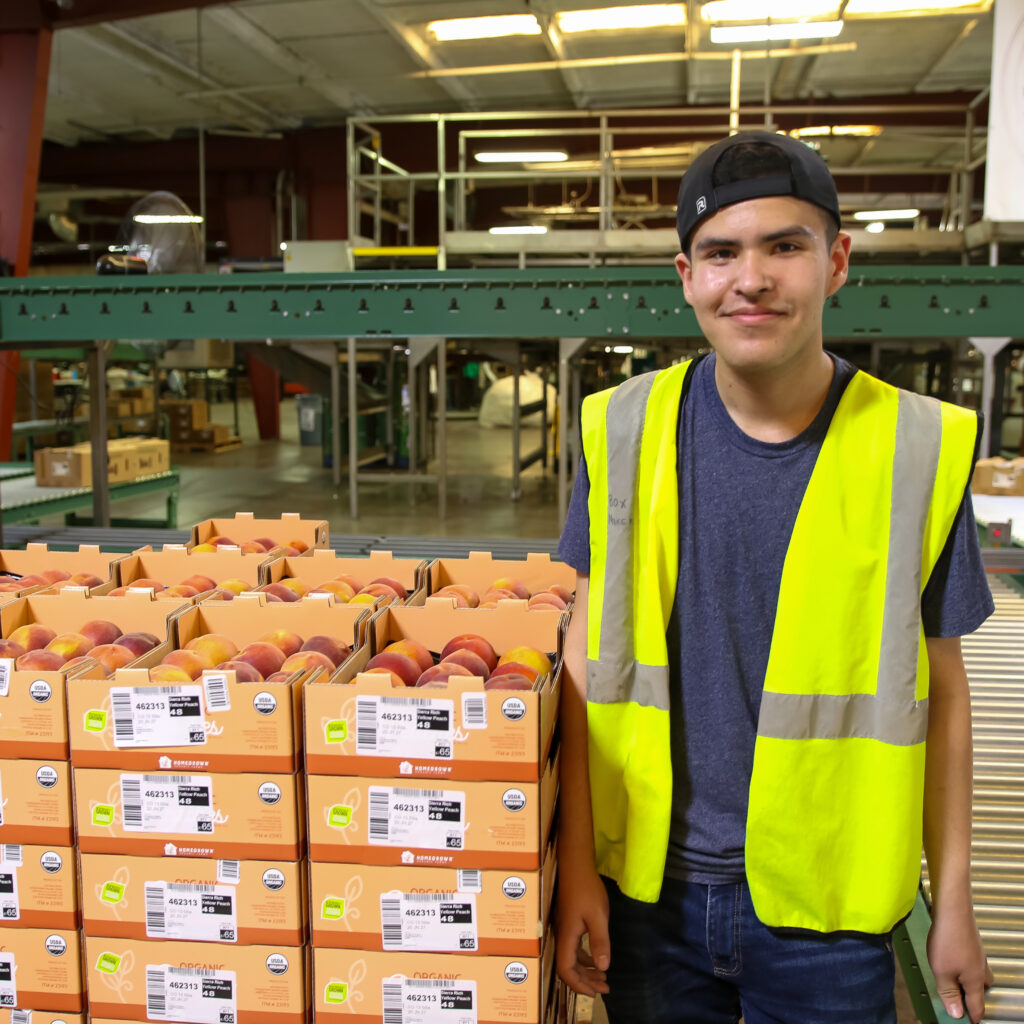
Professionalization also plays a critical role in creating fair competition and greater transparency across the labor supply chain. When FLCs are operating from a common baseline of knowledge and standards, responsible actors are better positioned to demonstrate good practices and are less likely to be undercut by unethical or non-compliant approaches.
Ultimately, standardized education strengthens FLC businesses and supports more consistent protections for workers. For growers, suppliers and buyers, this makes it easier to understand who is in their labor supply chain and how to work with credible, responsible partners.
What challenges do FLCs commonly face when trying to implement responsible recruitment, and how does AAALP help make this achievable rather than overwhelming?
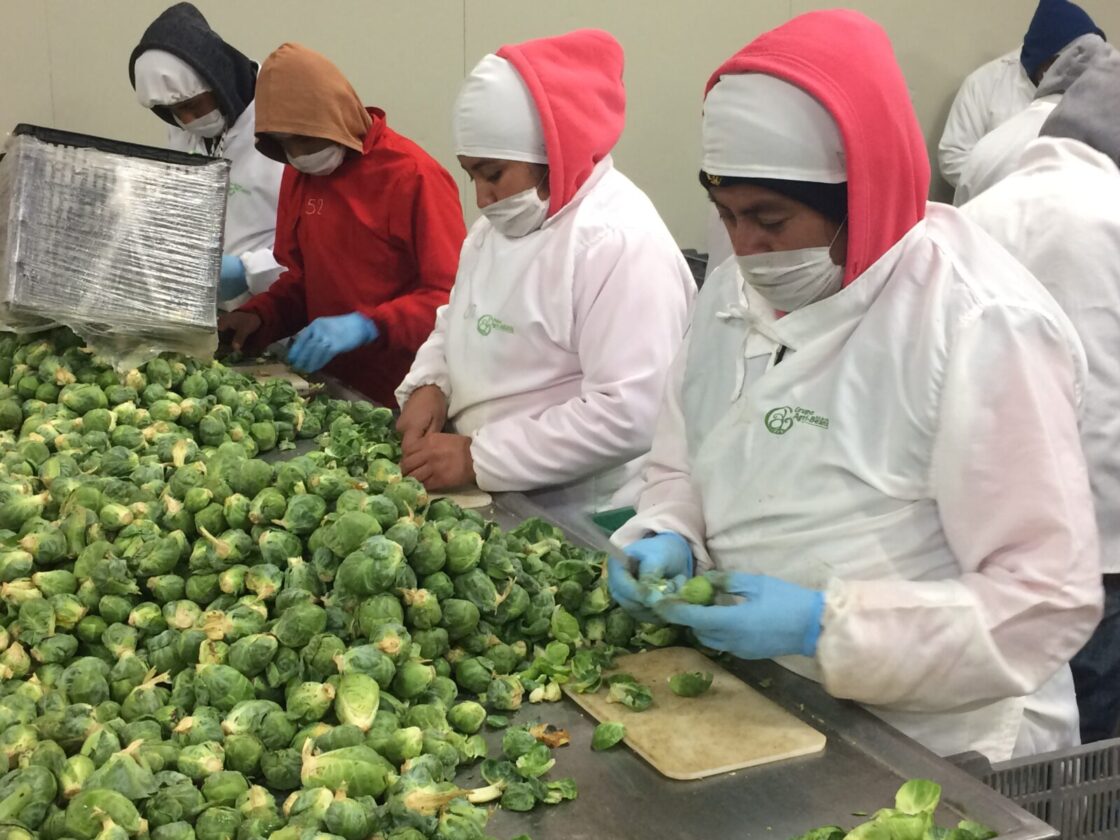
One of the biggest challenges FLCs face is the cost of doing things right. Fair recruitment, lawful processes and responsible employment practices require time, resources and investment. Ethical FLCs are often competing in a market where unethical or non-compliant actors can undercut prices, making it difficult for responsible businesses to compete on a level playing field.
FLCs also face limited administrative capacity and increasingly complex requirements. They are expected to understand and respond to legal obligations, buyer expectations and responsible recruitment frameworks—often simultaneously—while managing day-to-day operations. Without clear structure, these expectations can feel fragmented and overwhelming.
AAALP helps address this by functioning as both a support system and a sequencer. All members complete the CORE training program and baseline assessments, ensuring a shared foundation of knowledge and expectations. Rather than presenting responsible recruitment as an all-or-nothing exercise, AAALP breaks it into practical, achievable steps for continuous improvement.
What roles do partnerships and alignment with programs like ECIP play in reducing labor risk for growers and retailers?
Partnerships and alignment with programs like ECIP play a critical role in reducing supply continuity and operational risk by creating clearer, more consistent expectations across the agricultural supply chain. ECIP provides a buyer-backed signal of expectations while also functioning as an implementation ecosystem that connects businesses with credible tools, programs and service providers like Stronger Together and AAALP.
AAALP’s role within this ecosystem is to bring credible FLC engagement into ECIP-aligned systems. Because FLCs sit at the operational center of recruitment and employment, their inclusion is essential to managing labor risk and ensuring workforce stability.
How do you see education, collaboration and continuous improvement shaping the future of the agricultural workforce?
Education, collaboration and continuous improvement are central to building a more stable and resilient agricultural workforce. When recruitment and employment are handled with dignity and fairness, workers are more likely to return season after season, directly supporting retention and workforce continuity for growers and suppliers.
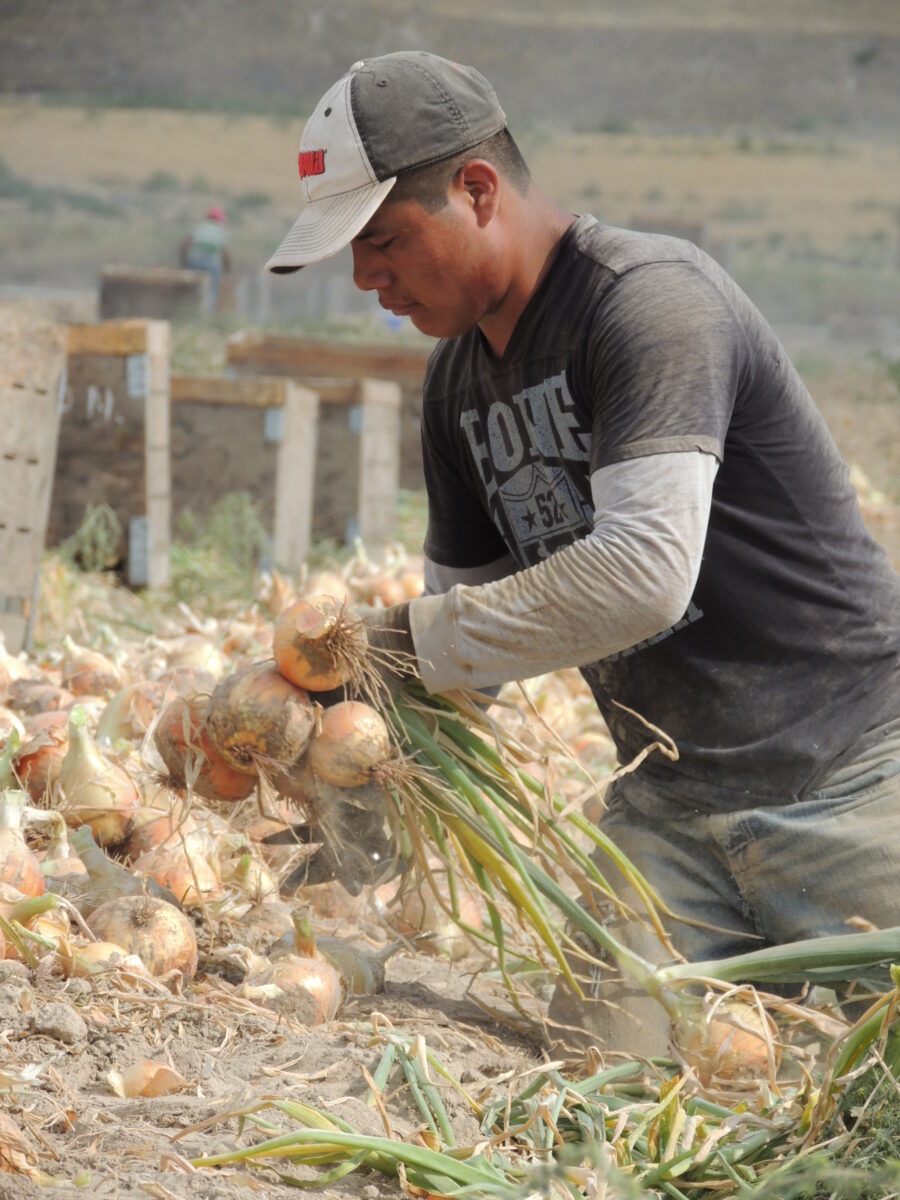
Farm labor contractors are key implementers of responsible labor practices, and education ensures they have the tools and knowledge to apply those practices consistently. Collaboration across the supply chain supports shared learning and practical problem-solving, helping responsible recruitment move from policy into day-to-day operations.
Continuous improvement recognizes that labor expectations and operating environments will continue to evolve. Supporting FLCs to learn, adapt and grow over time helps strengthen professional practices and creates a workforce that is better positioned for long-term resilience.
Anything else you’d like to add?
A key focus for AAALP in the year ahead is continuing to grow our membership and supporting FLCs. We’ve just announced the 2026 AAALP Member Cohort designed to help FLCs strengthen their practices, learn alongside peers, and engage more effectively with evolving industry expectations. More information about the 2026 Cohort is available here.
To learn more about AAALP or to schedule a short introductory call with AAALP Lead Nikki Enersen, email us at info@aaalp.org or join directly here.