

The Ethical Charter on Responsible Labor Practices outlines 13 principles that establish a shared baseline for social responsibility across the produce supply chain. ECIP LAB (Learn, Assess, Benchmark) gives growers a way to track progress over time in aligning their practices with these principles.
A recent Los Angeles Times article highlights a reality in California agriculture: children are being subjected to difficult and dangerous conditions. A reminder why, as an industry, social responsibility has been and should continue to be a top priority.
This article emphasizes the importance of the Ethical Charter’s Respect for Human Rights pillar. The five principles outlined in this pillar are especially relevant to this issue:
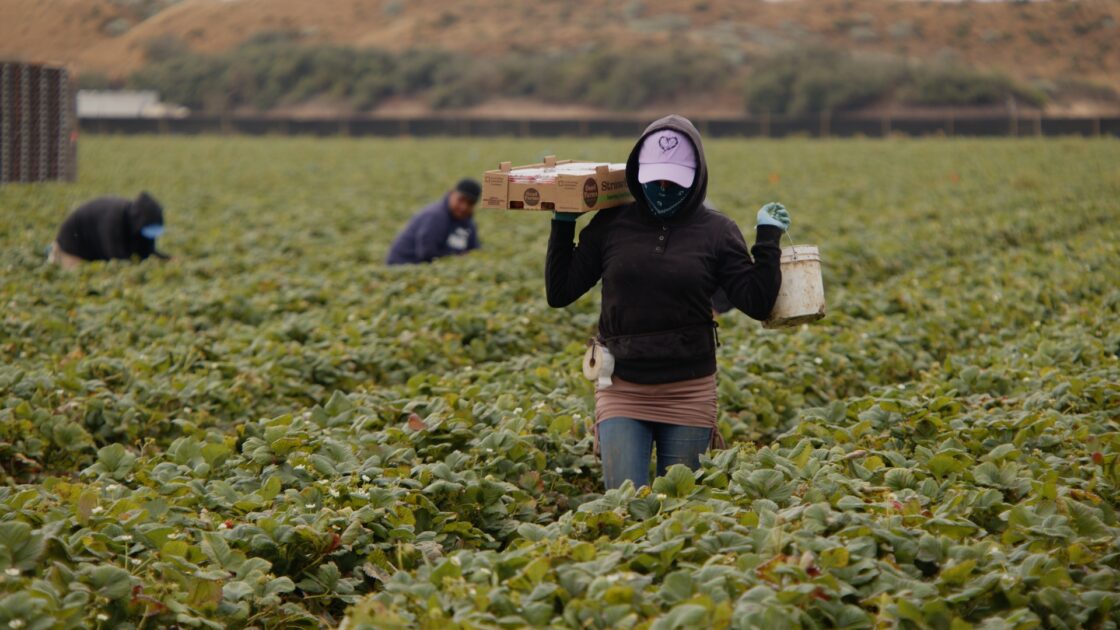
Freedom of Association
Workers should have the right to organize, engage in collective dialogue or refrain from such activity without fear of reprisal.
Humane Treatment and Non-Harassment
Every worker deserves dignity and respect, free from harassment, abuse or coercion.
Non-Discrimination
All workers, regardless of age, background or status, deserve equal treatment and opportunities.

Protection of Children and Young Workers
Young people should be safeguarded from work that is harmful, age-inappropriate or detracts from education or health. Work should not begin before minimum legal age thresholds and supervision must reflect developmental needs.
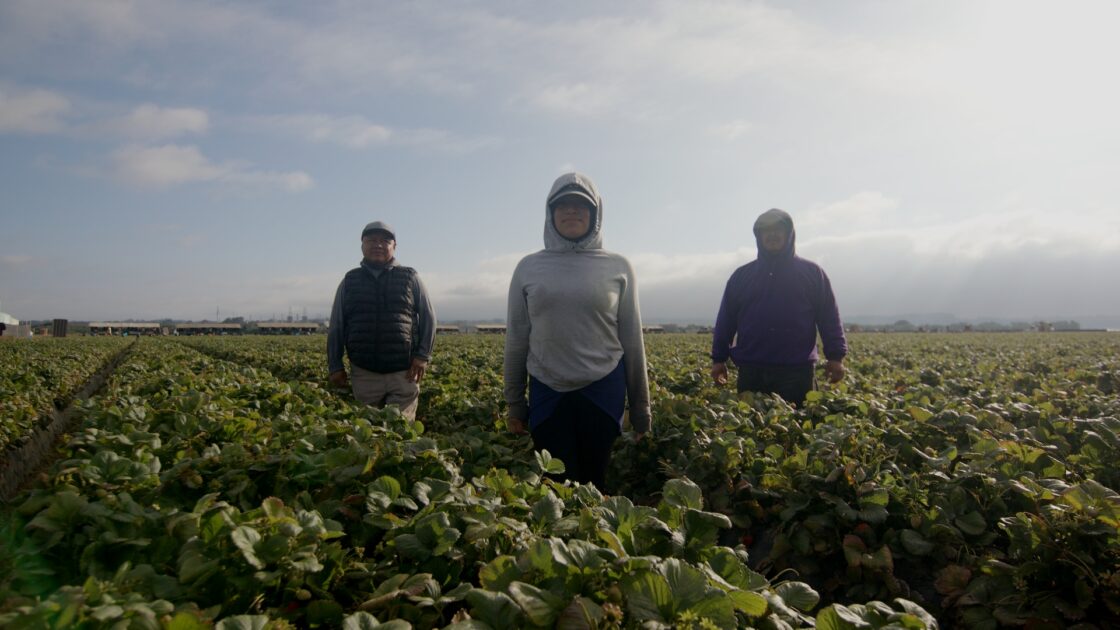
The Ethical Charter’s human rights principles are intended to shape how work is carried out every day in the fields, packinghouses and offices that make up the produce industry, and to set expectations for workplaces that are safe, voluntary, respectful and fair. ECIP LAB gives growers a way to evaluate their practices, identify gaps and measure progress over time against the principles outlined in the Ethical Charter.
Click here to learn more about how ECIP and the Ethical Charter work together.